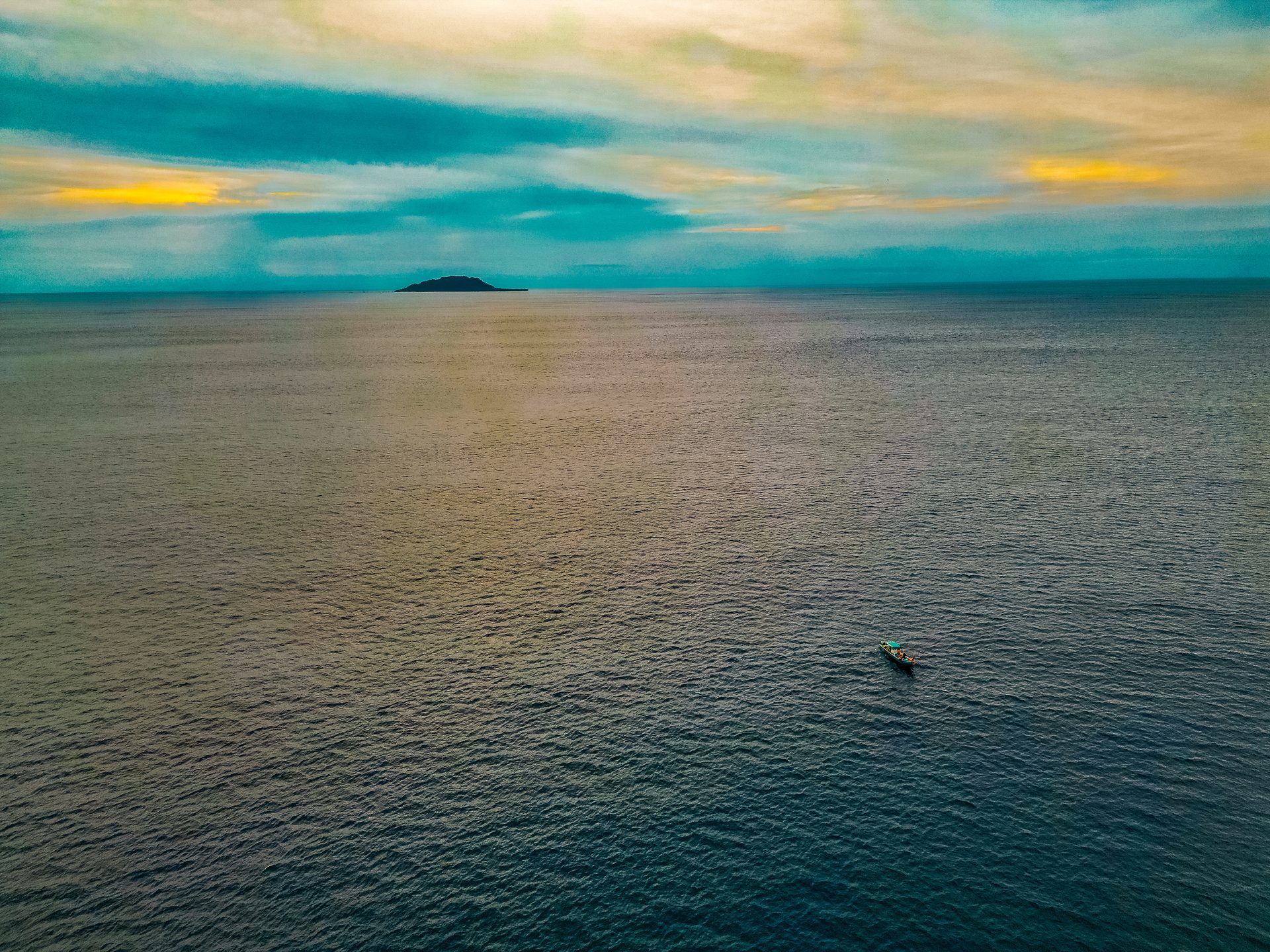
The Pacific Ocean off the coast of Panama is one of the most productive fishing grounds in the world — and yellowfin tuna are the reason most serious anglers and freedivers make the trip. These are big fish. Individuals over 100kg are encountered regularly. Schools appear from December through April in numbers that are hard to believe until you've seen them. Here is everything you need to know before you go.
Why Pacific Panama for Yellowfin Tuna?
The Gulf of Chiriqui sits where cold, deep Pacific currents push nutrients up to the surface, creating extraordinary concentrations of baitfish. Behind the baitfish come the predators: yellowfin tuna, wahoo, dorado, amberjack and large cubera snappers.
The offshore banks accessible from Santa Catalina drop into true deep-ocean water within a short run from the coast. This means you are fishing in pelagic conditions — the environment where yellowfin tuna thrive — without needing to travel extraordinary distances.
The proximity of Coiba National Park also strengthens the local fishery: the protected zone maintains ecosystem health and fish populations, creating a spillover effect into the surrounding open waters that makes Pacific Panama one of the most reliable tuna fisheries in the Eastern Pacific.
The Yellowfin Tuna Season
Yellowfin tuna are present in Pacific Panama waters year-round, but the numbers and size of fish vary significantly by season:
- December – February: Peak season. Large schools of fish in the 30–80kg range, with individuals over 100kg encountered regularly. The dry season brings calm flat seas ideal for long offshore runs.
- March – April: Still excellent. Fish remain at the offshore grounds. Some of the largest individual fish of the season appear in March. Wind can pick up, making some days tricky for the run out — check the forecast.
- May – June: Good fishing continues, but the main schools begin to thin. Smaller fish (5–20kg) become more common. Dorado start appearing as a secondary target.
- July – November: The big tuna schools move on. Smaller yellowfin and skipjack remain. The bank still fishes well for wahoo and dorado. Worth going — just manage your expectations for giants.
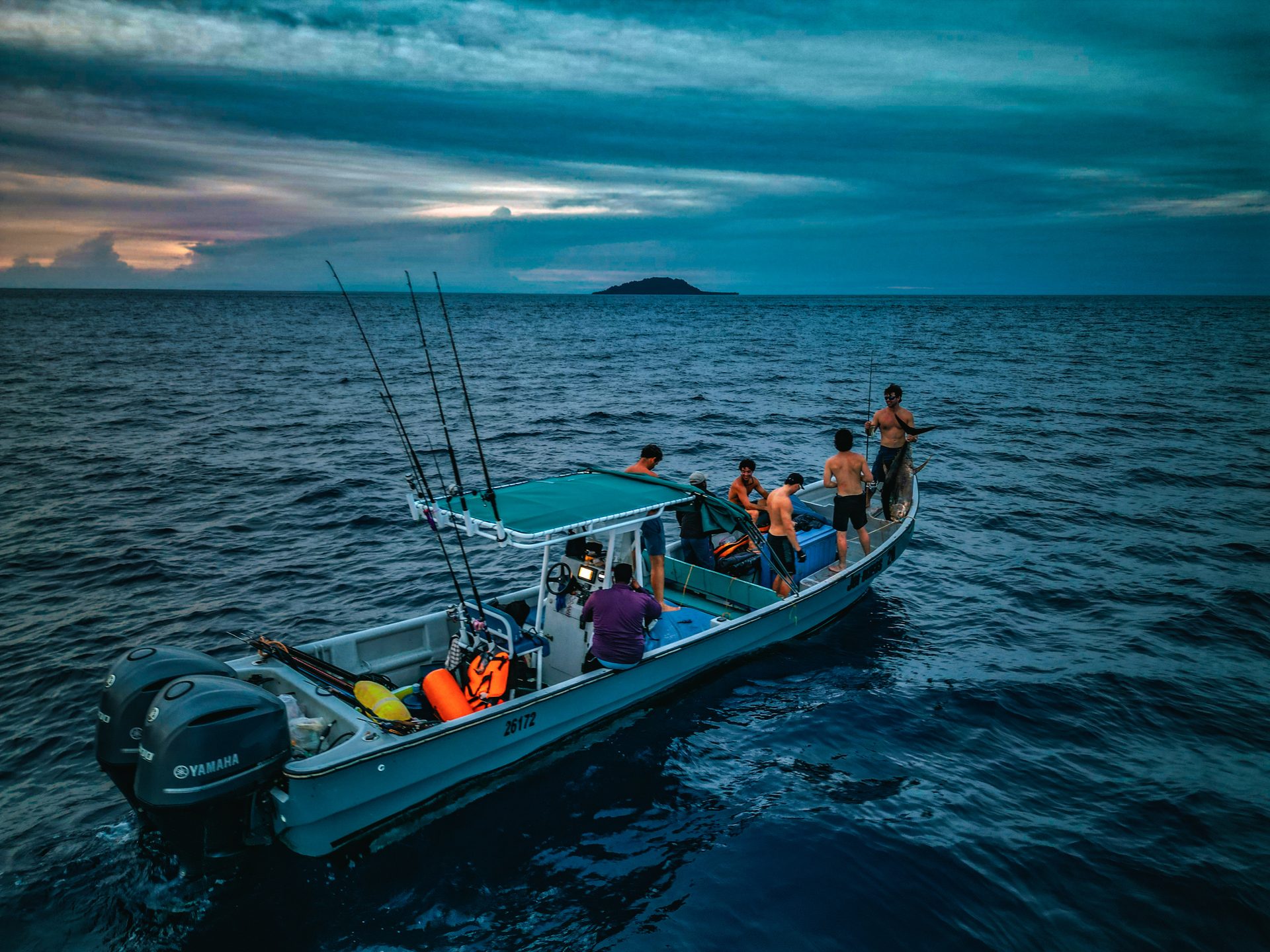
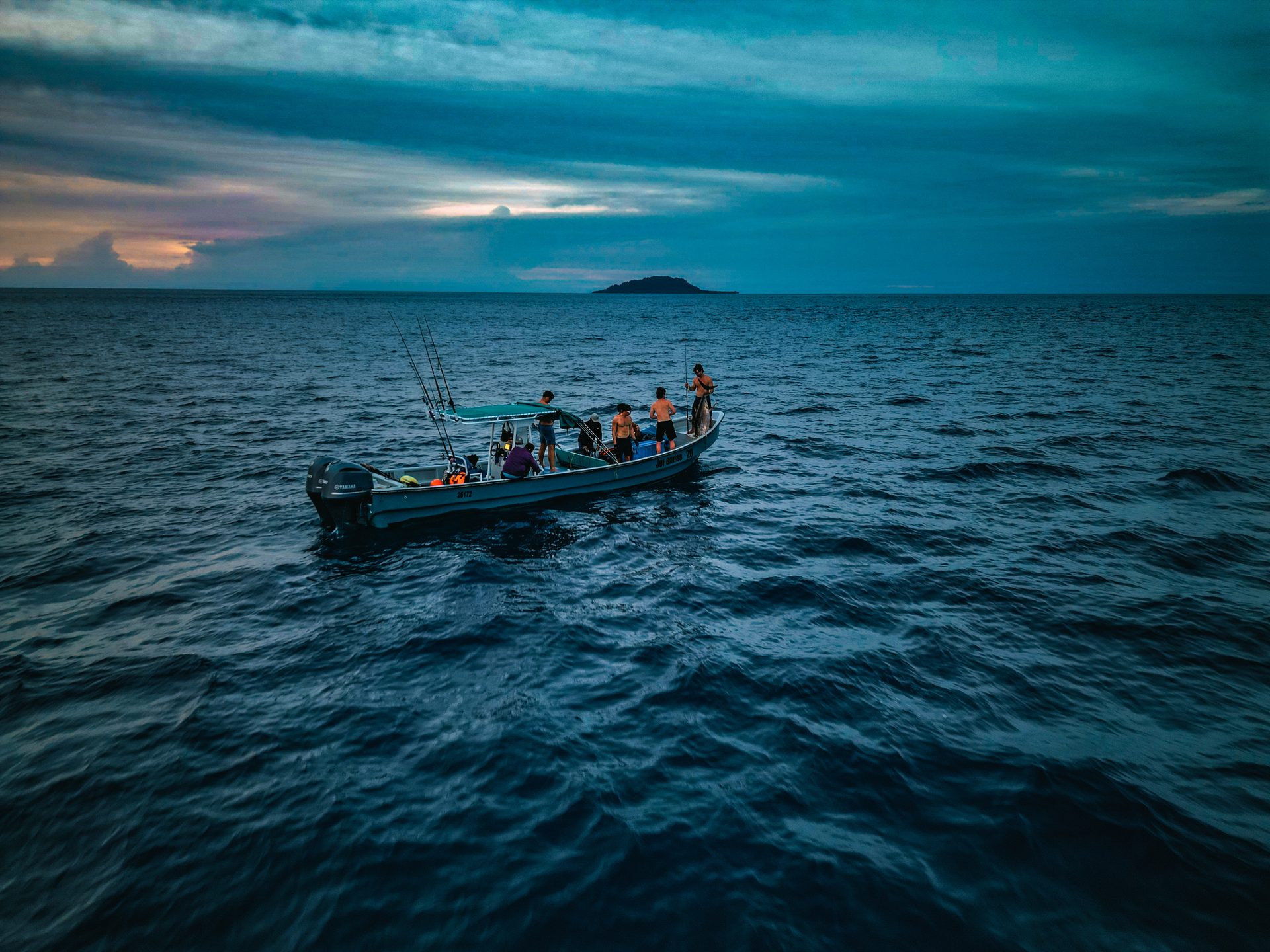
The run matters. Our offshore tuna grounds are 60km+ from Santa Catalina. We leave at 4:30–5:00am to arrive at first light — the best feeding window. Sea state matters enormously on these runs. I check forecasts 48 hours in advance and will always be honest if conditions are not right. Safety first, tuna second.
Spearfishing vs Rod Fishing for Yellowfin Tuna
Both methods work exceptionally well in Pacific Panama, and they are very different experiences.
Spearfishing
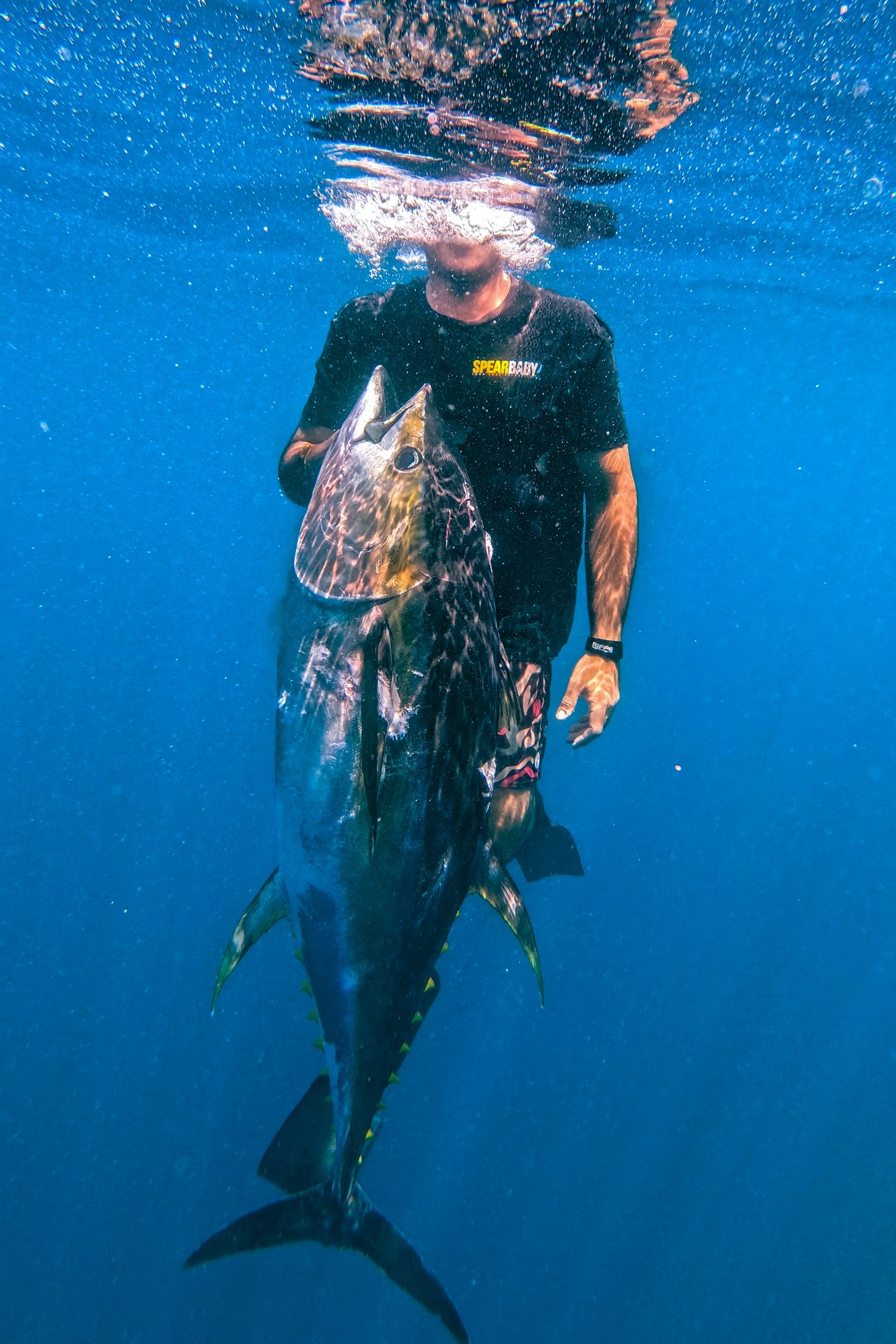
Bluewater spearfishing for yellowfin tuna is one of the most intense hunting experiences in the ocean. You're freediving to 5–20m in open water, waiting for the fish to come within range, and taking a shot at an animal that can weigh over 100kg and will run 200m of line in seconds if you don't execute perfectly.

We run spearfishing trips for yellowfin tuna in the open-water zones off Santa Catalina. When conditions align — tuna feeding near the surface, flat seas, good visibility — bluewater hunting for these fish is one of the most intense experiences in the ocean. Fish often feed in the top 15m, giving divers realistic shot opportunities without extreme depth.
Minimum requirement: comfortable breath-holding to 10–15m, experience with a speargun. I can assess your level before we go and give you an honest opinion on whether the conditions match your ability.
Rod Fishing — Trolling & Jigging
Trolling surface lures and feathers behind the boat as we approach and circle the bank is extremely effective. We commonly hook up within minutes of arriving on the mark. Jigging with heavy metal jigs in the 150–300g range produces amberjack, wahoo and large yellowfin from deeper water.
For rod fishermen, Pacific Panama in peak season is about as close to guaranteed tuna action as ocean fishing gets — on a good December or January day offshore, it would be unusual to come home without tuna in the cooler.
Other Target Species Offshore
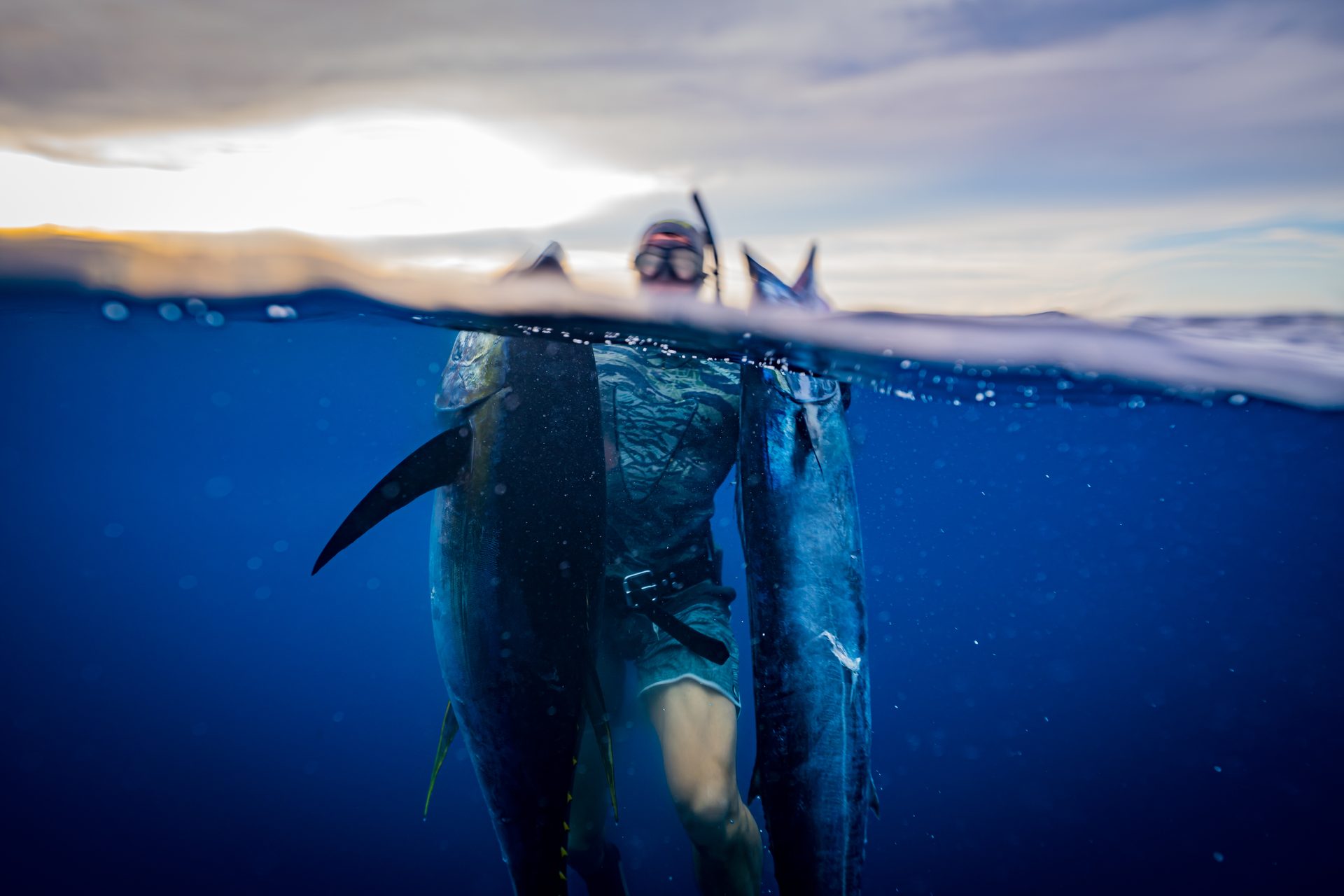
Yellowfin tuna get all the attention, but the offshore waters of Pacific Panama produce exceptional fishing for several other species:
- Wahoo (Ono): Some of the fastest fish in the ocean, present November–March. Electric strikes on high-speed trolling lures. Incredible to eat.
- Amberjack: Deep jigging in 40–80m around the structure produces amberjack of 10–30kg. Strong, hard-fighting and very good table fare.
- Cubera Snapper: Large cuberas (5–20kg) live in the rocky structure at 25–50m. Target of choice for deeper reef spearfishing around the bank edges.
- Dorado / Mahi-Mahi: June–October, floating debris and weed lines near the bank hold schools of dorado. Easy targets for spear and rod alike.
- Sailfish: Seasonal visitors, most common January–March. Occasionally encountered while trolling near the bank.
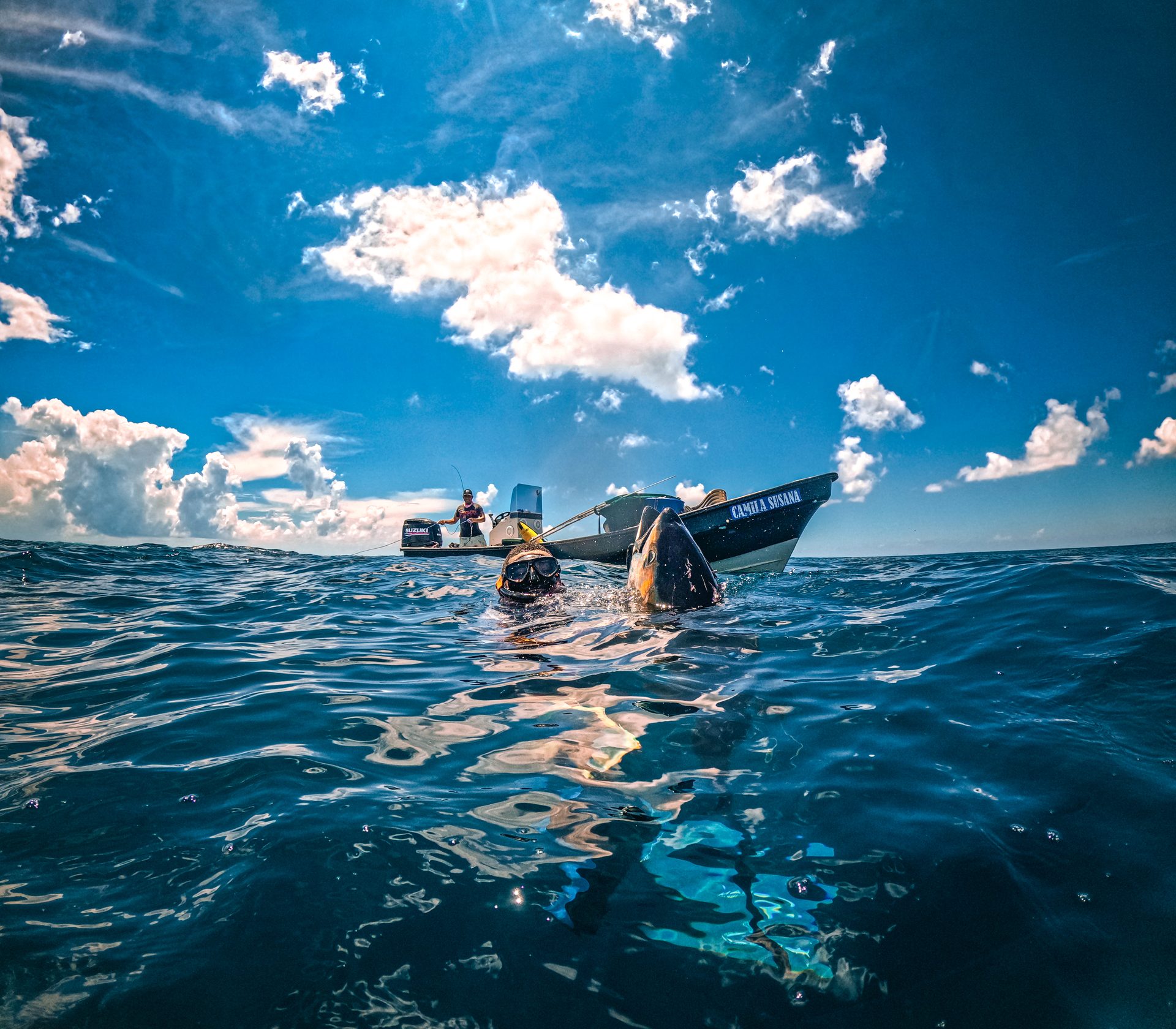
Wildlife on the Offshore Run
Our offshore runs take you through open Pacific waters that feel genuinely wild. On almost every trip we encounter:
- Spinner and common dolphins — often in pods of hundreds, frequently bow-riding the boat
- Humpback whales — present July–October, frequently seen breaching near the bank
- Whale sharks — encountered regularly around Coiba and in the offshore waters, especially June–September
- Manta rays — large oceanic mantas cruise the surface near upwellings year-round
Even on the days the tuna don't cooperate, the wildlife on an offshore run makes it worth every mile.
Chase Yellowfin in Pacific Panama
I run private spearfishing and rod fishing trips offshore December through April. All gear included, full-day departure at 5am. Your group only — 100% private.
Plan Your Tuna TripPractical Information
Getting Offshore from Santa Catalina
Our offshore tuna grounds are accessible from Santa Catalina in approximately 60–120 minutes by boat depending on destination and sea conditions. We depart before sunrise to arrive at first light — the most productive feeding window for yellowfin.
There is no way to access these waters independently as a visitor — you need a licensed boat, local knowledge of the marks, and experience reading conditions offshore. This is an expedition that requires planning and the right guide.
What's Included with Spearbaby
- Full day from Santa Catalina (departure ~5am, return ~4-5pm)
- All fishing or spearfishing equipment
- Water, snacks and a packed lunch
- Fish cleaning and handling of your catch
- 100% private — your group, your boat, your captain
— Pietro Ciotti, Spearbaby